Article · AI and medicine
Did AI diagnose hard cases better than doctors?
A calm read of Microsoft's new MAI-DxO study: how it worked, the exact numbers, what most headlines left out, and what comes next.
Mohamed Maslooh · · 6 min read


The news in two lines
On 22 October 2026 Microsoft published MAI-DxO in Science. It reached the right diagnosis in 83% of some of the hardest published medical cases; the doctors it was compared with got 36%.
The number spread fast. As with any study, the details tell the full story.

Not one AI, a whole panel
MAI-DxO is not a single model answering a question. It is an orchestrator that runs several AI agents together, like a panel of doctors on one case, each with a job: one proposes likely diagnoses, one picks the test that separates them, one challenges the others' reasoning, one watches the cost, one checks nothing was missed. They debate at every step until they agree.
The test: 304 cases, one step at a time
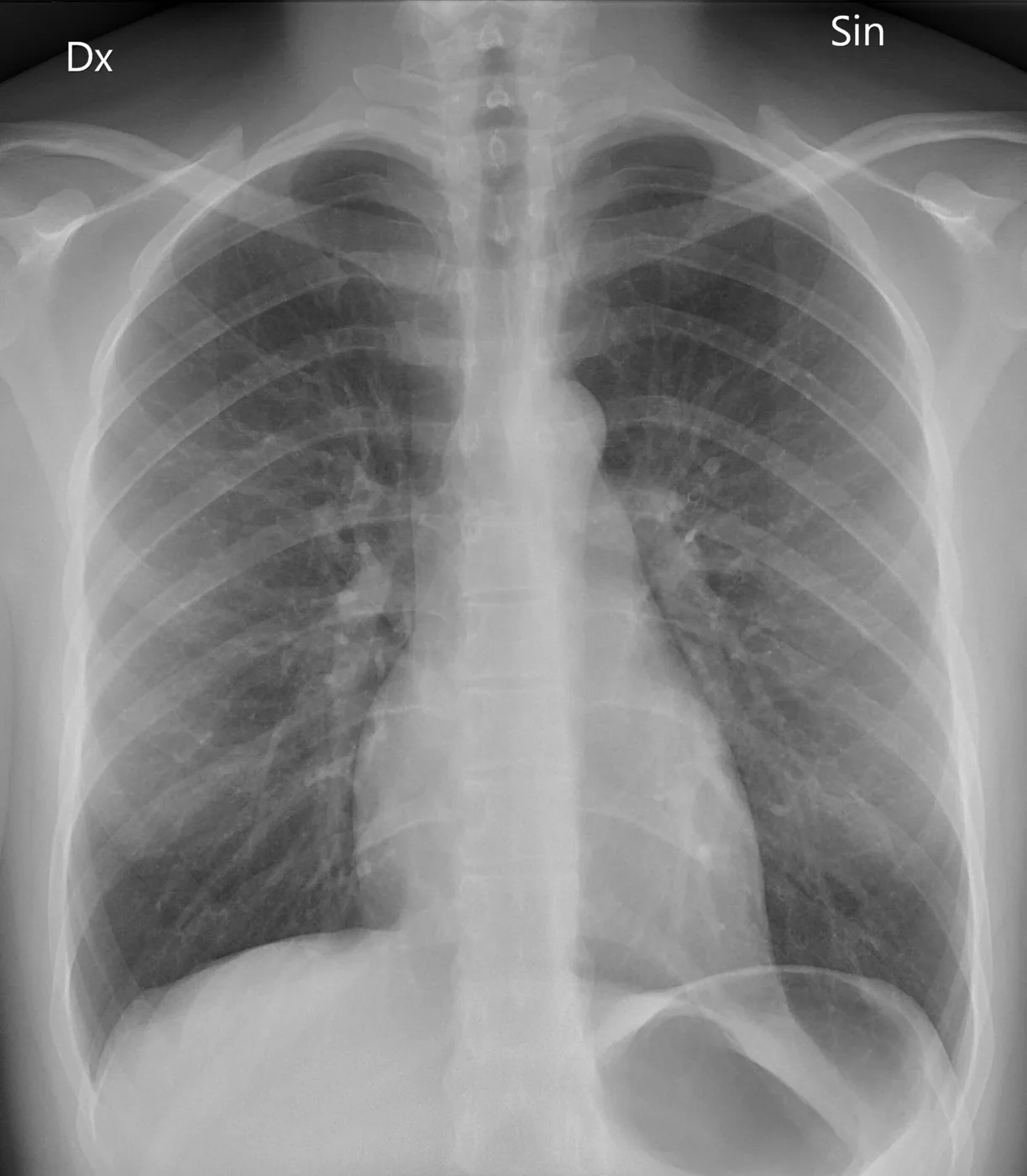
The cases come from the hardest cases published in the New England Journal of Medicine.
The system did not get the whole case at once. It started from a short summary, then asked questions and ordered tests and scans one by one, and every test had a price, as with a real doctor and a real patient.

The result
| Correct diagnosis | |
|---|---|
| MAI-DxO | 83.2% |
| Generalist doctors, with books and the internet | 36.1% |
| The same doctors, without them | 22.3% |
The system was right in 83.2% of cases. The doctors (generalists: internal medicine and general practice) were right in 36.1% with books and the internet, and 22.3% without them.
And in the emergency department?
They also tested it on 325 past emergency admissions, and the gap stayed large.
| Correct diagnosis | |
|---|---|
| MAI-DxO | 80.3% |
| Doctors | 46.8% |


And the cost?
The version that scored 83% had no budget and ordered about $5,431 of tests per case, a bit more than the doctors' estimate ($3,049 to $4,725).
With a budget it stayed near 80% for much less: 80.9% at $2,241, and 79.6% at $1,303.
| Accuracy | Cost per case | |
|---|---|---|
| MAI-DxO, no budget | 83.2% | $5,431 |
| MAI-DxO, with a budget | 80.9% | $2,241 |
| MAI-DxO, lower budget | 79.6% | $1,303 |
| Doctors, estimate | 36.1% | $3,049 to $4,725 |
Cost is the estimated price of tests and visits, in US dollars. Up and to the left is better: more accurate, cheaper.
These are estimated test and visit costs inside a simulation, not real bills.
The panel or the model?
The study tried models from OpenAI, Google, Anthropic, Meta and DeepSeek. The panel lifted every model, most of all the weaker ones.
| the model alone | inside the panel (MAI-DxO) | |
|---|---|---|
| GPT-5.5 | 72% | ≈87% |
| GPT-5 | 78.9% | ≈83% |
| Gemini 2.5 Flash | 46.4% | ≈69% |
≈ means about. Higher is better.
Much of the result comes from the model itself, and the panel adds to it. In emergency cases the panel added almost nothing on top of the strongest model.
Before we get excited
- The comparison was with generalists, not specialists or a full team, who are the people who actually handle cases like these.
- Every case was a past record. No patient has been treated with this system yet; the result comes from a simulation.
- Published cases are chosen because they are hard and rare, which is not what a normal hospital day looks like.
What comes next
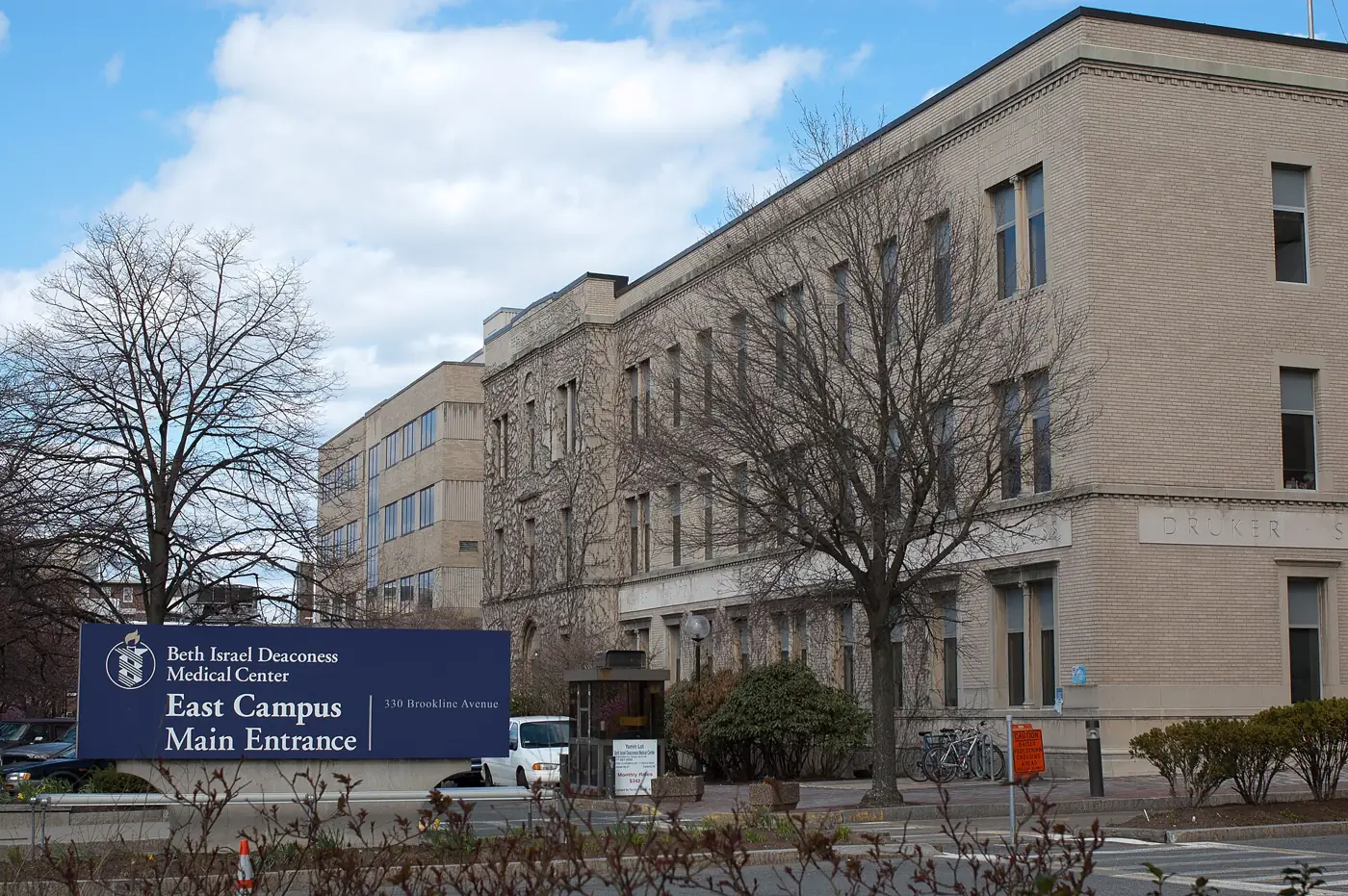
Microsoft will test the system with real patients in emergency and urgent care at Beth Israel Deaconess Medical Center in Boston: patients get standard care, and for those who agree, the system's recommendations are compared with their doctors'. It is also working with Mayo Clinic on a medical foundation model planned for next year.
That result is the one that will matter.



What do you think?
Could AI replace doctors? Tell me in the comments on the post, or message me.
Sources
- Microsoft Research: Sequential Diagnosis with Language Models (the original paper, 2025 version)
- TechCrunch, 22 October 2026
- The AI Insider
- TechRepublic
- The Next Web
- TechEnclave (cost)
The study was published in Science on 22 October 2026.